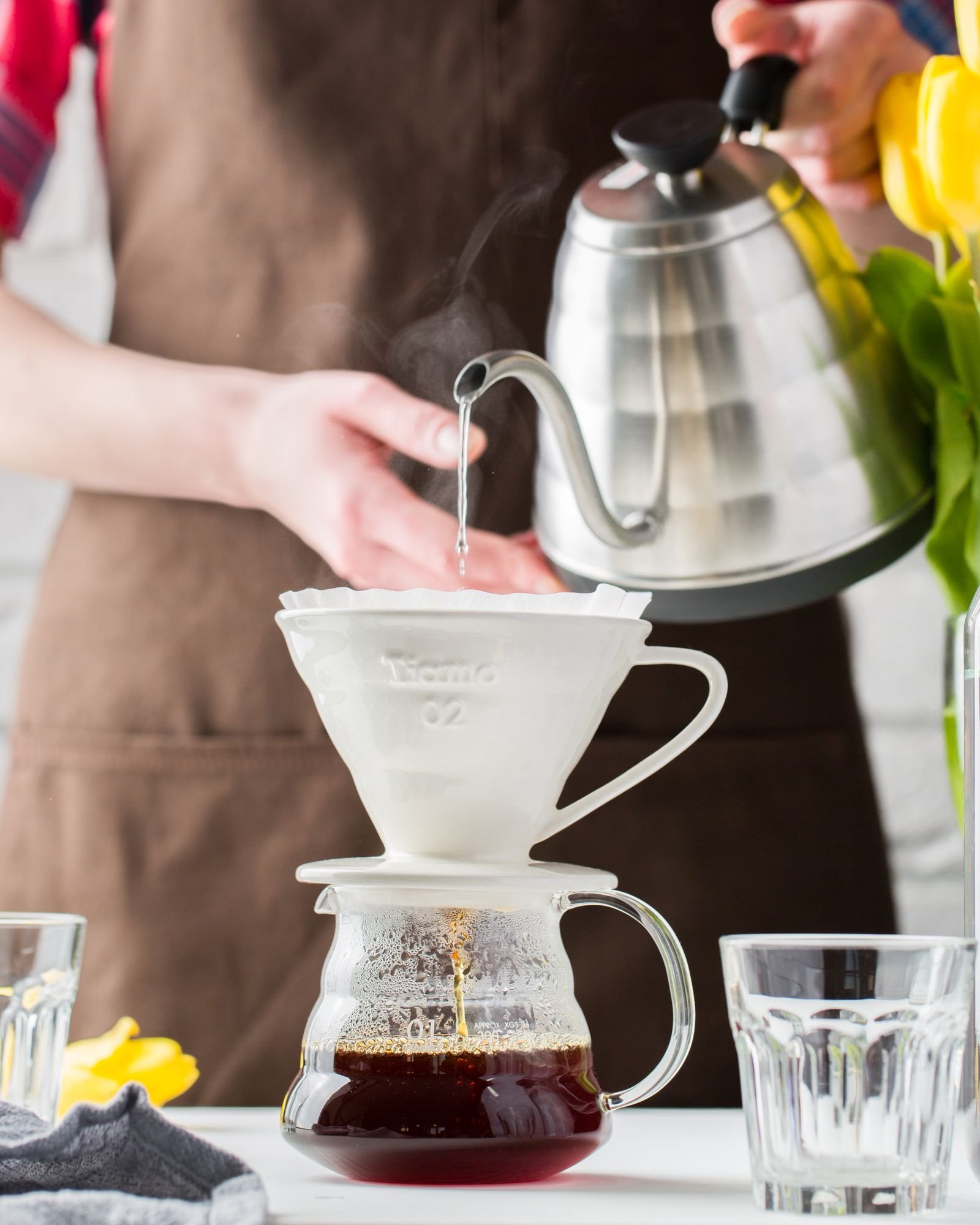
This cold brew coffee recipe is the easiest way to make great iced coffee at home, and the beans you choose matter more than the gear. It uses Yunnan coffee as its example, because the province’s beans, with their low acidity and nutty, cocoa-driven base, take the long gentle steep especially well.
You will learn the ratio, the grind, the timing, and the mistakes to avoid. Best of all, you can make a batch tonight with beans from any good roaster.
The steps below assume no special machine. A jar, a grinder, and a filter do the work. Yunnan beans are the example, not the only option, and the same method travels well to other origins.
1. Why Cold Brew, and Why Yunnan Beans
Cold brew earns a spot in the home kitchen for three plain reasons. The slow, cold extraction pulls sweetness and body while leaving most of the acid behind. The cup feels round and smooth, and it sits easy on a sensitive stomach. The method also needs almost no gear, which lowers the cost of a good daily iced coffee.
Yunnan beans fit the method because they share that calm profile. The region’s coffees trend low in acid, with a nutty, cocoa base that comes across as comforting rather than sharp. Put those beans through a 12 to 24 hour cold steep and the gentle process protects their soft notes instead of fighting them. The beans become the understated star of a technique that works the same for any origin.
This guide treats cold brew as a general method, not a Yunnan-only ritual. Yunnan coffee simply makes a clear case for how bean choice shapes the final cup. A reader can run the same steps on beans from any roaster they trust, then swap in Yunnan to taste the difference.
Bean choice does more than origin. Roast level, freshness, and grind all shift the result. A medium roast from Yunnan keeps the nutty cocoa core while staying open to milk. A lighter roast shows more of the region’s fruit when brewed as a pure cold pour.
2. What Cold Brew Actually Is
Cold brew is coffee made by steeping ground beans in cold or room temperature water for many hours, then filtering. The low temperature and long contact time change what lands in the cup. A typical home batch rests 12 to 24 hours before it is strained.
Hot brewing runs on a different clock. Pour over and espresso pull flavor in seconds, with heat doing the work. That speed brings out bright acids and a faster bitter spike. Cold extraction moves slowly, so it favors sweetness and body over snap and edge.
The label “iced coffee” causes frequent mix ups. Iced coffee is usually hot brewed coffee poured over ice, so it keeps the acid and bite of heat extraction. Japanese iced brew, sometimes called flash brew, is hot coffee dripped onto ice to lock aroma while cooling fast. Cold brew skips heat during extraction, which is why its texture feels separate from both.
For a deeper look at the home method, Perfect Daily Grind covers the technique step by step. The principle stays simple: no heat, long time, then a clean filter.
3. Why Yunnan Beans Shine in Cold Brew
Yunnan grows several coffee varieties, and each brings something useful to a cold steep. Catimor forms the backbone of the province’s commercial crop. It gives a nutty, cocoa forward cup with low acid, which is exactly what a long cold extraction likes. Geisha, grown by a smaller set of farms, adds floral and fruit notes for those who want a brighter, more aromatic cold brew. Typica offers a sweet, smooth base that rounds a batch without fuss.
The low acid trait matters most here. Hot coffee from a high acid bean can feel sharp or thin once chilled, but Yunnan’s lower acid keeps the cold cup soft. The nutty and cocoa notes build a full, sweet body that survives dilution with ice or milk. A cold recipe lets these comfortable flavors lead instead of hiding them.
Yunnan’s coffee sector often sums up the cup in a short official line: strong but not bitter, fragrant but not harsh. That description points to the balance that makes the beans friendly in cold brew. The note comes from industry messaging rather than a single lab report, so treat it as a flavor promise, not a measured claim.
Altitude adds a subtle range of variety across the province. Higher farms tend to produce cleaner, more defined cups, while lower plots give heavier, earthier body. This ladder lets a brewer pick a Yunnan lot by mood, from an easy daily cold brew to a slower, more delicate weekend batch. The idea holds: the beans suit the method through flavor, not through a secret parameter.
Processing also shapes the cold cup. Washed Yunnan lots taste clean and steady, while natural lots add berry and ferment depth that comes through well over ice. A new brewer can choose by the day’s mood once the base method feels set.
4. The Basic Cold Brew Recipe
The basic cold brew coffee recipe below works as a repeatable base. Scale it up or down once the ratio feels right, and keep the grind and time steady while you learn. Water quality plays a quiet role. Filtered water keeps the cup clean, while hard tap water can flatten the soft notes that make Yunnan cold brew pleasant.
4.1 Coffee-to-water ratio
A safe home range runs from 1:8 to 1:15. At 1:8 the brew lands as a concentrate meant to be cut with water or milk before drinking. At 1:15 it pours as a ready cup over ice with little adjustment. Most first tries sit near 1:10 to 1:12.
This span follows common brewing practice that draws on SCA and James Hoffmann references, but taste should decide the final number. A stronger steep saves fridge space; a lighter one drinks softer. Note that this is a general practice window, not a Yunnan specific setting.
4.2 Grind size
Grind coarse, about the texture of raw sugar or a French press setting. Coarse particles give water room to move and keep the long steep from turning harsh. Fine grounds release too much too soon and push the cup into bitter, muddy territory.
A burr grinder holds the size steady better than a blade model. If only pre ground beans are on hand, ask the roaster for a cold brew or French press grind. The goal is even, chunky particles that filter clean and leave no dust behind.
4.3 Steep time and temperature
Room temperature steeping takes 12 to 24 hours. A warmer kitchen finishes closer to the short end; a cool one drifts long. Fridge steeping runs 8 to 12 hours and gives a cleaner, slower build with less risk of off notes.
Filter the result through paper, a French press screen, or a tied cloth bag. Paper yields the clearest cup, while cloth keeps more oil and body. Whichever tool is used, the aim is a sediment free liquid that stores well through the week.
4.4 Step-by-step
- Weigh the beans and water, then set the ratio between 1:8 and 1:15.
- Grind the beans coarse, matching a French press setting.
- Combine grounds and cold water in a clean jar, and stir once to wet every particle.
- Cover and steep at room temperature for 12 to 24 hours or in the fridge for 8 to 12 hours.
- Filter the liquid through paper, a French press, or a cloth bag into a second container.
- Dilute to taste and serve over ice, or seal and chill for later.
5. Recipe Variations
A base batch flexes in several directions. The concentrate at 1:8 becomes a weekly workhorse: split it with water, milk, or oat milk, and sweeten with a little syrup. The lighter 1:15 version drinks straight from the fridge with nothing added.
Milk and oat milk soften the cup and suit Catimor’s nutty base especially well. A spoon of simple syrup or condensed milk turns a batch into a dessert style drink. Cold brew soda is a lighter play: top the concentrate with chilled sparkling water and a slice of citrus for a low calorie option.
Yunnan varieties open their own branches. Catimor stands up to milk and sugar without losing its cocoa core. Geisha rewards a pure pour, where its floral and fruit notes stay clear over ice. Typica sits between the two as a smooth, sweet everyday choice that takes either treatment.
For a hot day, a half and half mix of concentrate and cold sparkling water keeps the coffee forward without the weight of milk. The same base also freezes into cubes that cool a cup without watering it down.
6. Yunnan Bean Picks for Cold Brew
For a daily cold brew, Catimor from Yunnan gives the best value. It is widely available, low in price, and built for milk drinks and concentrates. The nutty cocoa profile survives dilution and keeps the cup tasting like coffee.
For a weekend upgrade, Geisha from Yunnan’s higher farms pushes the flavor ceiling. These lots cost more and shine as a straight cold pour, where their floral and fruit character shows. Typica offers a middle path with its sweet, smooth body at a moderate cost that fits regular use.
Buy through trusted specialty roasters that source from Yunnan, or start at the site’s buy page. That page maps available Yunnan lots to brew style so a new buyer can match a bean to a cold recipe without guesswork. The Yunnan flavor profile guide helps narrow the choice by taste.
When picking, check the roast date and aim for beans within a month of roast. Fresh beans keep more of the cup’s sweetness through a long cold steep, while stale lots taste flat no matter the ratio.
7. Cold Brew Mistakes to Avoid
Most batches go wrong for the same few reasons, and each is easy to avoid.
- Grinding too fine. Fine particles over extract and turn the cup bitter and cloudy.
- Steeping too long. Past 24 hours at room temperature the brew can go woody or harsh.
- Wrong ratio. Too little water makes a syrup; too much gives a weak, sour wash.
- Skipping the filter. Leftover sediment keeps extracting and grits up the mouthfeel.
- Poor fridge temperature. A warm fridge slows extraction unevenly and risks off notes.
- Using the wrong bean. A very dark or flavored roast can mask the cold method’s gentle gains.
- Adding sugar too early. Sweetener in the steep can ferment or dull the clean cup; add it at serve.
A related slip is tasting only at the end. A quick check at the halfway mark shows whether the steep is on track, and a small early adjust saves a full batch from going wrong.
8. How to Store and Serve
Store cold brew in a sealed container in the fridge and use it within one week. A clean jar with a tight lid keeps the air out and holds the flavor steady. The concentrate at 1:8 lasts as long as the ready drink, since dilution happens at serving time.
Serve by cutting the concentrate with one to two parts water or milk, then pour over ice. Ice dilutes the cup as it melts, so a slightly stronger base holds up better in a tall glass. A ready 1:15 batch needs only ice and, if wanted, a short pour of milk.
For a fuller look at where these beans grow, the Yunnan coffee regions guide breaks down the main growing zones. The buy page lists current lots for cold brew.
FAQ
Here are the most common questions about this cold brew coffee recipe.
What is the best coffee-to-water ratio for cold brew?
A ratio from 1:8 to 1:15 works for most homes. Use 1:8 for a concentrate that you cut with water or milk, and 1:15 for a cup you drink straight over ice. Start near 1:10 to 1:12 and adjust by taste.
How long should cold brew steep?
Room temperature steeping takes 12 to 24 hours. Fridge steeping runs 8 to 12 hours and gives a cleaner result with less risk of off flavors. Avoid going past 24 hours at room temperature.
What grind size should I use for cold brew?
Grind coarse, about the size of raw sugar or a French press setting. Coarse grounds keep the long steep smooth. Fine grounds over extract and push the cup into bitter, muddy notes.
Why does cold brew taste different from hot coffee?
Cold water extracts slowly and leaves behind much of the acid and bitter edge that heat pulls out fast. The cup comes across rounder and sweeter, while hot coffee tastes brighter and sometimes sharper, especially when chilled after brewing.
Where can I buy Yunnan coffee beans for cold brew?
Look for specialty roasters that source from Yunnan, or start at the site’s buy page. Catimor suits daily milk drinks, and Geisha from higher farms suits a pure cold pour.
Make Your First Cold Brew Tonight
Cold brew sets a low bar to entry, Yunnan beans fit the method with ease, and a first batch can be on the table tonight. For bean choice by taste, see the Yunnan flavor profile.
If you enjoy cold brew, you may also like the French press method for a fuller-bodied cup.
Leave a Reply