Best Coffee Beans in 2026: A Buyer’s Guide to Yunnan and Beyond
The best coffee beans are not the most expensive or the most exotic. They are the freshest beans that match your brewing method, your taste preferences, and your budget. A bag labeled “specialty” means nothing if the roast date is six months old, and a $20 bag of locally roasted beans can outperform a $40 import purchased weeks after roasting.
This guide breaks down what actually matters when selecting coffee beans: roast level, origin, processing method, and freshness. It highlights Yunnan as a rising origin worth considering, compares purchasing channels, and offers a practical checklist for every buyer. Readers exploring brewing techniques should also consult the pour over coffee guide, the French press coffee guide, and the best espresso machine review.
What Makes Coffee Beans “The Best”?
Four dimensions determine coffee bean quality: freshness, roast level, origin character, and processing method.
Freshness is measured by roast date, not purchase date. Beans peak between seven and twenty-one days after roasting, when carbon dioxide levels drop enough for even extraction but before volatile aromatics degrade. Pre-ground coffee begins losing aroma within fifteen minutes of grinding, so whole beans ground immediately before brewing are always superior.
Roast level shapes flavor profile more than origin alone. Light roasts preserve regional character and acidity. Medium roasts balance acidity and body. Dark roasts emphasize bitterness and body while muting origin nuance. The “best” roast is the one that matches your brew method and taste preference.
Origin provides the flavor foundation. Ethiopian beans tend toward floral and citrus notes. Colombian beans lean nutty and chocolatey. Yunnan beans, discussed in detail below, bridge between fruity and chocolate with a clean structure. No single origin is universally superior; each suits different brew styles and palates.
Processing method determines how much fruit residue contacts the bean during drying. Washed processing yields clean, bright cups with pronounced acidity. Natural processing retains more fruit sugars, producing heavier body and fermented fruit notes. Honey processing falls between the two, offering balanced sweetness and clarity.
The Yunnan coffee flavor profile guide explains how altitude, variety, and processing interact to shape regional taste patterns across China’s primary coffee-growing regions.
Best Coffee Beans by Roast Level
Light Roast
Light roast beans retain the most origin character, with bright acidity and floral or fruity notes dominating the cup. They are best suited to pour over, AeroPress, and cold brew methods where clarity is prized.
Recommended sources include Ethiopian Yirgacheffe, Kenyan AA, and light-roasted Yunnan from high-altitude Pu’er estates. These beans showcase terroir when brewed with filtered water at ninety to ninety-six degrees Celsius.
Medium Roast
Medium roast beans balance acidity and body, making them the most versatile category. They perform well across pour over, French press, drip, and even espresso when freshly roasted.
Recommended sources include Colombian Supremo, Brazilian Santos, and medium-roasted Yunnan from Baoshan highlands. The caramelization during medium roasting brings out sugar sweetness while preserving enough acidity for complexity.
Dark Roast
Dark roast beans emphasize body, bitterness, and chocolate or smoky notes, with origin character largely muted. They are ideal for espresso, French press, and milk-based drinks where robust flavor stands up to dilution.
Recommended sources include Sumatran Mandheling, Italian-style dark roasts, and dark-roasted Yunnan from lower-altitude plots. The extended roast development creates compounds that produce a heavier mouthfeel and longer finish.
The best coffee grinder review explains why a burr grinder set appropriately for each roast level matters more than bean origin alone in determining final cup quality.
Best Yunnan Coffee Beans
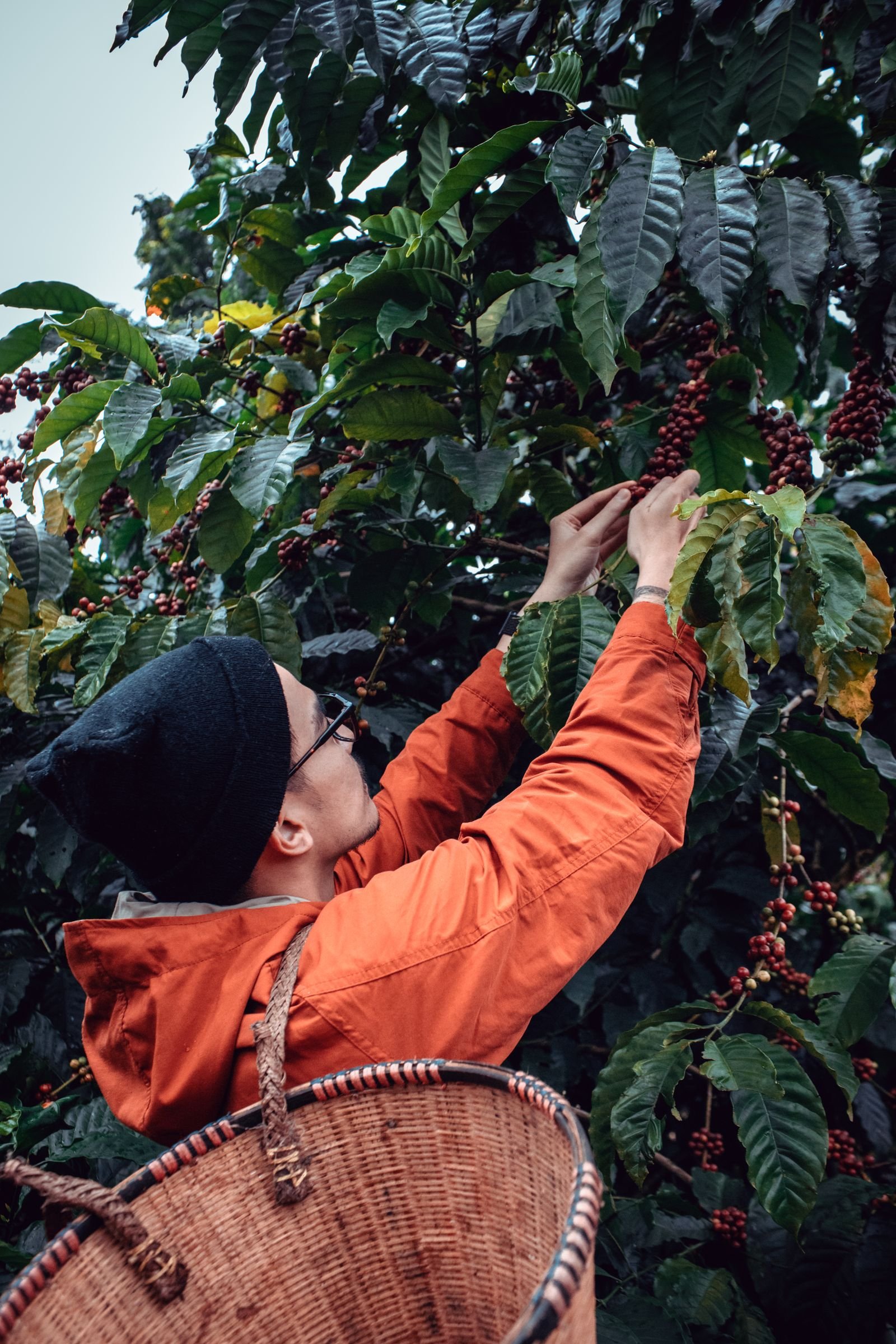
Yunnan province produces more than ninety-eight percent of China’s coffee, and its beans deserve attention from readers seeking origin diversity beyond the traditional Ethiopian and Latin American favorites.
The region spans ten hundred to two thousand meters of elevation across four main producing areas: Pu’er, Baoshan, Lincang, and Dehong. Each area imparts distinct character. Pu’er beans tend toward balanced cup quality with mild fruit acidity. Baoshan beans, grown at higher elevations, deliver濃而不苦 profiles with noticeable fruit notes. Lincang beans carry citrus and sugar-cane sweetness with prominent floral aromatics.
Yunnan’s specialty-grade rate reached forty-one point seven percent in twenty-twenty-six by R2 metrics, meaning the average commercial crop now carries enough quality consistency to compete with established origins. This statistic reflects improved farming practices, better processing infrastructure, and growing international interest in Chinese coffee.
For espresso preparation, Yunnan beans produce chocolate and nutty undertones with moderate acidity, making them suitable for milk-based drinks. For pour over or cold brew, lighter-roasted Yunnan beans reveal cleaner fruit and floral notes that rival more expensive origins.
The Yunnan coffee regions guide provides detailed altitude, variety, and processing data for readers who want to match specific sub-regions to brew methods.
Where to Buy Coffee Beans
Local roasters offer the freshest beans, often roasting within days of purchase. Visit a nearby specialty coffee shop or search for independent roasters in your city. Ask for the roast date and preferred brewing recommendations.
Online marketplaces like Amazon provide convenience and variety but carry higher risk of stale inventory. Check roast dates carefully, read recent reviews, and avoid listings that do not disclose when beans were roasted. Some Amazon sellers rotate inventory quickly; others stock older beans for months.
Brand websites and subscription services offer consistent quality and regular delivery. Companies like Onyx Coffee Lab, Counter Culture, and Stumptown Roasters ship shortly after roasting and provide detailed tasting notes. Subscriptions often include discounts and flexible scheduling.
Direct trade from Yunnan eliminates middlemen and ensures traceability. Platforms like PuerhCoffee and Jukula connect buyers directly with estates, though shipping times and customs procedures require planning. Verify seller reputation and return policies before purchasing.
The where to buy Yunnan coffee guide (coming soon) will compare domestic Chinese platforms, international retailers, and direct estate purchasing options with current pricing and availability.
How to Store Coffee Beans
Proper storage preserves freshness longer than any single purchase decision. The four enemies of coffee freshness are oxygen, moisture, heat, and light.
Store beans in an opaque, airtight container at room temperature. Glass jars with rubber gaskets, ceramic canisters with locking lids, or dedicated coffee storage vessels all work well. Avoid clear containers that allow light penetration.
Do not refrigerate or freeze beans in the main storage container. Repeated temperature fluctuations cause condensation inside the bag, accelerating staling. If freezing for long-term storage, divide beans into single-use portions in airtight bags, remove as much air as possible, and thaw only the portion you need without refreezing.
Buy only what you will consume within two to four weeks. A fifty-pound bag stored for months will produce inferior coffee compared to a two-pound bag roasted last week, regardless of price or origin reputation.
Common Coffee Bean Mistakes to Avoid
Buying pre-ground coffee is the most common error. Ground coffee loses approximately sixty percent of its aromatic compounds within fifteen minutes of grinding. Whole beans ground immediately before brewing preserve full flavor potential.
Ignoring the roast date is the second most common mistake. Many supermarkets stock beans roasted weeks or months earlier. Look for a printed roast date, not just a “best by” expiration date, which can be up to two years out.
Over-extracting due to incorrect grind size ruins even the best beans. Fine grind for French press creates sludge and bitterness. Coarse grind for espresso produces sour, weak shots. Match grind size to brew method.
Storing beans in the refrigerator door exposes them to moisture and temperature swings every time the door opens. A dedicated pantry shelf or cabinet is the optimal storage location.
Buying based solely on price or packaging aesthetics ignores the actual quality indicators: roast date, origin transparency, and processing method disclosure. A moderately priced bean from a transparent source often outperforms an expensive bean from an opaque supplier.
Coffee Bean Buying Checklist
Before purchasing any coffee beans, verify these five criteria:
Roast date clearly printed on the package, within the past two to four weeks. Beans without a visible roast date should be avoided unless purchased from a trusted local roaster who can confirm freshness verbally.
Processing method disclosed on the label. Washed, natural, or honey processing should be stated, as each produces distinctly different flavor profiles.
Origin traceability provided. Single-origin beans should list the farm, cooperative, or region. Blends should disclose the component origins and approximate ratios.
Packaging includes a one-waydegassing valve. This valve allows carbon dioxide to escape without letting oxygen in, preserving freshness longer after opening.
Sample or small-bag option available. Many specialty roasters offer half-pound or even single-cup samples, allowing you to test before committing to a full bag.
Conclusion: Start With Fresh Beans
The best coffee beans are defined by freshness first, origin second, roast level third, and price fourth. A twenty-dollar bag roasted last week will outperform a forty-dollar bag roasted two months ago, regardless of origin prestige or packaging design.
Select beans that match your primary brew method. Light roasts excel in pour over and cold brew. Medium roasts adapt well to most methods. Dark roasts shine in espresso and French press. Match the roast to the technique, not the other way around.
Source from roasters who publish roast dates and provide origin information. Local independents, reputable online sellers, and direct-trade platforms all offer paths to fresh, transparently sourced beans. Avoid supermarket aisles and unknown marketplace listings that cannot verify when the beans were roasted.
The coffee brewing methods overview compares how different roast levels and origins perform across pour over, French press, cold brew, and automatic drip systems.
For readers weighing grinder importance alongside bean selection, the best coffee grinder guide explains why a $100 burr grinder often matters more than upgrading from a fifty-dollar bean to a hundred-dollar bean.
FAQ
What are the best coffee beans for beginners?
Medium-roast, washed-process beans from Colombia or Yunnan offer balanced flavor with approachable acidity. They work well across multiple brew methods and provide a reliable entry point into specialty coffee.
How fresh should coffee beans be?
Ideally roasted within two to four weeks of purchase. Check the roast date, not the expiration date. Beans roasted more than six weeks ago will show noticeable flavor degradation.
Are Yunnan coffee beans good?
Yes. Yunnan beans offer chocolate and nutty notes in dark roasts, with bright fruit acidity in light roasts. The region’s forty-one point seven percent specialty-grade rate indicates consistent quality improvement across commercial crops.
Whole beans or ground coffee – which is better?
Whole beans are always better. Grinding releases aromatic compounds that begin dissipating within minutes. Buy whole beans and grind immediately before brewing for the best possible cup.
How should you store coffee beans?
In an opaque, airtight container at room temperature, away from heat, light, and moisture. Buy only what you will use within two to four weeks. Do not refrigerate or freeze the main storage container.
Leave a Reply