Why does French press coffee taste richer than a cup from a drip machine? The answer lives in the brewing method. A French press relies on full immersion: ground coffee rests in hot water for several minutes. That slow soak draws natural oils and fine particles into the cup, building a heavy body and a rounded flavor that paper filters remove. This guide breaks down the French press coffee ratio, grind size, water temperature, and steeping time that turn average beans into a satisfying mug. It also shows why beans from Yunnan, grown at high altitude, perform so well in this brewer. The steps below suit first-time users and seasoned drinkers alike.
Why French Press Coffee Ratio Matters
The ratio of coffee to water sets the strength and balance of every cup. In a French press, ground coffee sits fully submerged, so the ratio does more than in a pour over. A weak mix tastes thin and sour. A strong mix tastes harsh and muddy. The sweet spot lands between 1:12 and 1:15, and finding it changes the whole drink.
Immersion brewing keeps the coffee in contact with water the entire time. That contact extracts soluble sugars, acids, and oils together. Paper-filter methods capture much of the oil, which lightens the body. The French press lets those oils stay, giving the cup its signature weight. The trade-off is control: a small shift in ratio moves flavor fast.
High-altitude beans handle this brewer with ease. Yunnan coffee grows at 1,000–2,000 meters, where cooler nights slow the cherry and build bright acidity. That acidity stands up to full immersion instead of getting lost. Later sections compare the press to other brewers and explain the exact numbers to use. For now, the key point holds: ratio is the first dial to turn.
Essential Equipment for French Press
A French press looks simple, yet small build differences change the result. The mesh screen decides how much sediment reaches the cup. A finer mesh leaves a cleaner sip, though it can clog faster. A coarser mesh passes more fines and builds more body. Buyers should match the mesh to their taste before anything else.
Material matters for heat and durability. Glass carafes show the brew and suit careful timing, but they break and lose heat quicker. Stainless steel holds temperature longer and survives drops, at the cost of not seeing the coffee. Capacities run from 350 ml up to 1 liter. A 350 ml press serves one or two mugs, while a 1 liter model fits a small group.
A burr grinder ranks as the second essential tool. The press needs a coarse grind, close to the texture of sea salt. Blade grinders chop unevenly and create too much dust, which slips through the screen. A mid-range conical burr grinder handles this and also serves pour over, so one device covers two methods.
Finally, a digital scale and a timer remove guesswork. The scale should read to 0.1 gram, because a two gram shift alters strength. The timer tracks the four minute steep so the brew stays repeatable. These two items cost little and pay back in consistency.
The Perfect French Press Coffee Ratio
Four numbers define a good French press recipe. The ratio sits at 1:12–1:15. Most people start at 1:15, which means 15 grams of coffee to 225 ml of water. A bolder drink moves toward 1:12. The grind stays coarse, like sea salt, coarser than pour over needs. Water heats to 90–96℃, and the coffee steeps for four minutes total.
The Specialty Coffee Association sets the brewing water band at 90–96℃ for balanced extraction. James Hoffmann, a widely followed coffee author, recommends a similar four minute steep with a brief stir, a method outlined on his site. These ranges came from repeated testing rather than habit. Yunnan beans respond well at the lower end, around 92–94℃, which keeps bright notes clear.
The table below packs the core parameters into one quick reference. Save it, or return to this page before each brew.
| Parameter | Recommendation | Note |
|---|---|---|
| Ratio | 1:12–1:15 | Start at 1:15; go bolder toward 1:12 |
| Grind | Coarse (sea salt) | Coarser than pour over; avoid dust |
| Water temperature | 90–96℃ | Yunnan beans: 92–94℃ |
| Steep time | 4 minutes | Includes a 1 minute stir then rest |
Step-by-Step: How to Make French Press Coffee
Good coffee starts before the first pour. Warm the carafe with hot water, swirl, and discard. A warm vessel holds temperature through the steep and keeps extraction steady.
Weigh 15 grams of beans and grind them coarse. At a 1:15 ratio this calls for 225 ml of water. Coarse grounds resist over-extraction and stay above the screen during the press.
Pour in half the water first. Saturate every ground so none floats dry on top. This bloom step opens the coffee and releases trapped gas.
Stir the slurry four or five turns with a wooden spoon. Even contact means even extraction. Skip the stir and pockets of weak coffee appear in the cup.
Add the rest of the water and set the lid on. Do not press the plunger yet. The screen sits above the brew to hold heat while the coffee steeps.
Let the coffee rest for four minutes total. The first minute includes the stir; the remaining three are still steeping. A timer removes doubt about when to stop.
Press the plunger down slowly over 10–15 seconds. A steady push traps fines instead of blasting them through the mesh. Rushing lifts sediment and clouds the cup.
Decant every drop right after pressing. Leaving coffee on the grounds keeps extracting and turns the tail of the pot bitter. Pour into mugs or a warmed carafe and serve.
French Press Coffee Mistakes to Avoid
A few habits ruin an otherwise good brew. The first is grinding too fine. Fine particles slip past the screen, cloud the cup, and over-extract into bitterness. The fix is simple: stay at sea-salt coarseness.
Steeping too long is the second trap. Past five minutes, harsh compounds leach out and the cup turns sharp. Four minutes stays safe, and a timer keeps it honest.
Water at a full boil also hurts. Pouring 100℃ water onto grounds scalds them and flattens delicate aromatics. Let the kettle sit off heat for thirty seconds, or target the 90–96℃ band directly.
A fast plunger is the fourth error. Jamming the press stirs settled fines back into suspension. Ten to fifteen seconds of steady pressure keeps them trapped below the screen.
The last mistake is letting the coffee sit after pressing. Grounds left in water keep working, and the second cup tastes nothing like the first. Decant completely and immediately.
Yunnan beans deserve a tighter rule. High-altitude lots from Baoshan carry bright, clear acidity. A 92–94℃ pour with a standard four minute steep shows that fruit and tea-like character best. Pushing hotter or longer buries the region’s signature in roast bitterness.
How Yunnan Coffee Excels in French Press
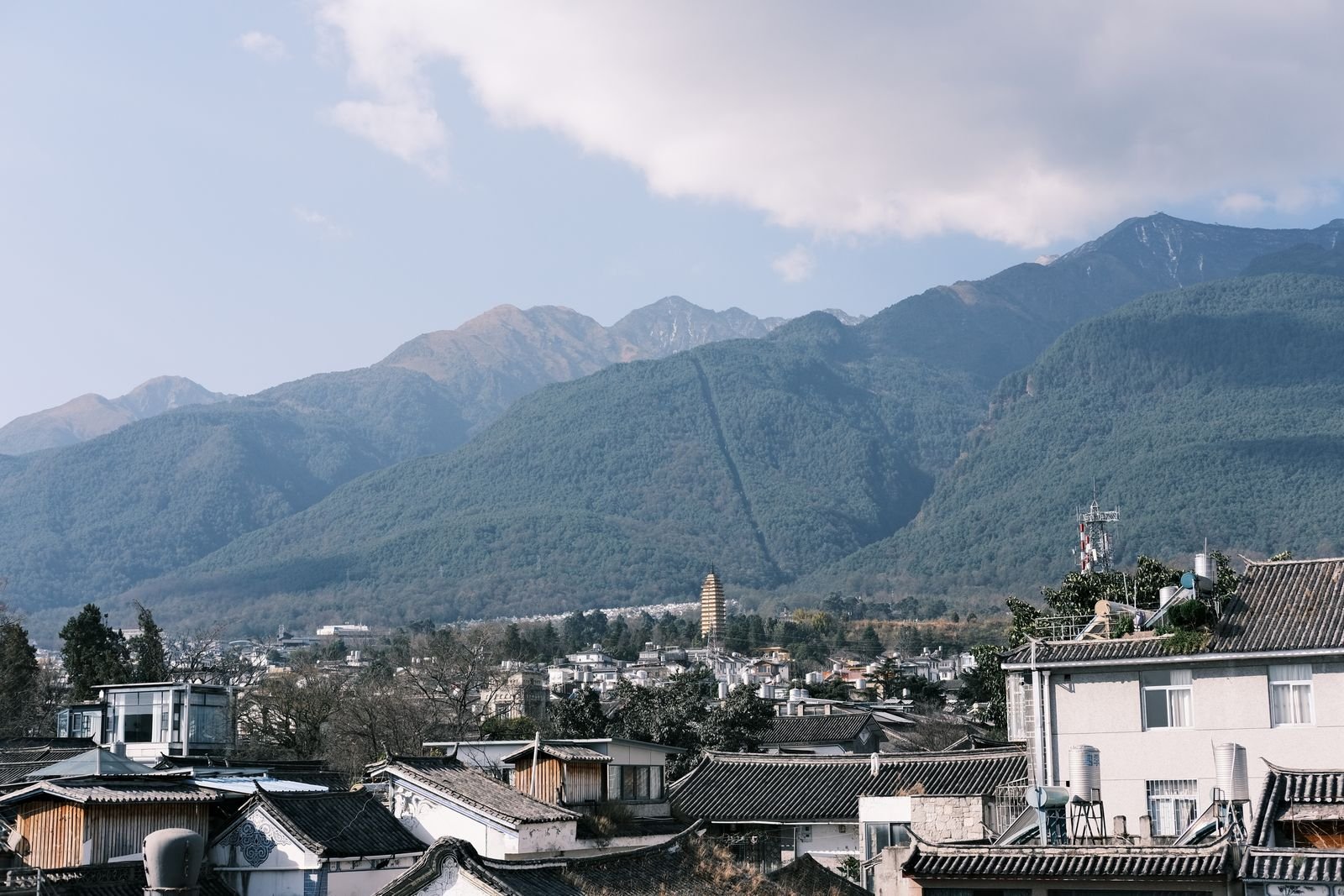
Yunnan sits in southwest China and grows coffee at 1,000–2,000 meters. Pu’er and Baoshan form the core belt at 1,100–2,000 meters. Cool mountain nights slow the cherry and build the acidity that immersion brewing shows off. The press keeps oils and body in the cup, so floral and fruit notes read clearly instead of washing out.
Processing style shapes what the brewer draws out. Washed lots from Pu’er and Lincang taste clean with a tea-like finish. Sun-dried lots add sweetness and fruit that the mesh screen’s retained oils make fuller. Honey process lands between the two. The French press rewards sun-dried beans most, because its body carries their extra layers.
The region’s quality keeps climbing. Yunnan reached a specialty rate of 41.7% in 2026, meaning a growing share of beans score well enough for careful brewing. That base supports the heavy, rounded cup the press is known for without masking origin character.
Two regions lead the choice. Pu’er stays balanced and friendly, a safe pick for newcomers. Baoshan’s higher lots bring brighter citrus and a black-tea feel that experienced drinkers chase. According to YunOrigin’s Yunnan coffee guides, Pu’er offers steady balance while Baoshan shows lively high-altitude acidity.
Washed beans suit those who want clarity; sun-dried beans suit those who want sweetness and depth. Either way, the retained oils of the press make the difference obvious. The Yunnan coffee flavor profile guide breaks down each region’s tasting notes, which helps match a bean to a mood before brewing.
French Press vs Other Brewing Methods
The press competes with several home brewers, and each trades body for clarity. Against pour over coffee, the French press wins on weight. Pour over uses a paper filter and a slow pour that yields a clean, bright cup. The press keeps oils and sediment, so flavor feels heavier and rounder. Neither is wrong; they suit different beans and moods. Guides such as Perfect Daily Grind explain these method differences in plain terms for new brewers.
Compared with cold brew, the gap is time and temperature. Cold brew steeps coarse grounds in cold water for 12–24 hours, producing a smooth, low-acid concentrate. The French press finishes in four minutes with hot water, keeping more aroma and acidity. Cold brew suits batch prep; the press suits a quick, warm cup.
Next to a drip machine, the press offers control. A machine automates heat and timing but locks the user into its settings. The press lets the brewer choose ratio, grind, and steep by hand. That control is exactly why tuning a recipe here pays off more than with a push-button maker.
How to Clean and Care for Your French Press
Oil is flavor in the cup and stain in the carafe. Rinse the press right after use, before the residue sets. Leftover oil turns rancid and taints the next brew with a stale note that no fresh bean can hide.
Disassemble the screen for a proper wash. Fine grounds lodge in the mesh and block flow over time. Separate the plates, run them under warm water, and use a soft brush once a week. Reassembly takes a minute and restores a clean press.
Glass models need temperature care. Avoid dumping cold water into a hot carafe or moving it from fridge to kettle. Sudden shifts crack the glass. Stainless versions shrug off this risk but still appreciate a gentle wash.
For lingering smells, soak the parts in a baking soda solution. The mild alkali lifts coffee odor without harsh chemicals. Rinse well, dry, and the press is ready for the next morning.
FAQ
What is the best French press coffee ratio?
The best starting ratio is 1:15, or 15 grams of coffee to 225 ml of water. Stronger tastes move toward 1:12. Weaker mixes taste thin in a press, so 1:12–1:15 stays the safe band.
How long should French press coffee steep?
Four minutes is the standard steep, counting from the first pour. The first minute includes a short stir, then the coffee rests for three more. Going past five minutes pulls bitter compounds, so a timer keeps the result clean.
What grind size is best for French press?
A coarse grind, about the size of sea salt, works best. It stays above the screen and resists over-extraction. This is coarser than pour over requires, and that difference matters for a clear cup.
What water temperature should I use for French press?
Use water between 90 and 96℃. The Specialty Coffee Association places balanced extraction in that band. Yunnan beans do well at 92–94℃, which keeps their bright notes from flattening under heat.
Why is my French press coffee bitter?
Bitterness usually traces to four causes: grind too fine, steep over five minutes, water near boiling, or failure to decant after pressing. Fix the grind, watch the clock, cool the water, and pour off the whole pot at once.
Can I use pre-ground coffee for French press?
Pre-ground coffee works in a press, but flavor fades fast once beans are cracked. Coffee loses aroma within days of grinding. Fresh coarse grounds from a burr grinder give the fullest, cleanest cup the method can deliver.
Make Your First French Press Today
Four numbers decide the cup: a 1:15 ratio, a coarse sea-salt grind, water at 92–94℃, and a four minute steep. Master those and the French press turns into a daily tool rather than a weekend experiment. The retained oils and full body suit bold, high-altitude beans especially well.
Yunnan coffee makes a strong first press. Its 1,000–2,000 meter altitude builds the acidity and clarity that immersion brewing shows off, and a 41.7% specialty rate in 2026 means more lots are worth the careful treatment. Pick a washed Pu’er for balance or a high Baoshan lot for bright fruit, then apply the recipe above.
Ready to start? Buy Yunnan coffee from YunOrigin and brew the first pot tonight. A French press, a burr grinder, and a scale are all it takes. The next cup will taste richer than anything from a drip machine, and the ritual will stick.
Leave a Reply